

📋 Table of Contents
AI vs Human in 2026 explores the evolving dynamics between technology and human roles as AI continues to advance rapidly. Discover the key aspects where AI could surpass human abilities and understand the implications these advancements have for the workforce and society. This comprehensive guide delves into how AI is reshaping industries, the potential benefits and challenges, and how such advances could impact your life and career.
Why You'll Love This Guide on AI vs Human in 2026
In the fast-evolving landscape of technology, understanding AI vs Human in 2026 is crucial. This guide offers insights into how AI is reshaping industries, paving the way for monumental changes. From healthcare to manufacturing, AI is poised to revolutionize traditional sectors by enhancing efficiency and accuracy. By examining these shifts, you'll identify potential benefits and challenges that await.
AI's influence extends beyond industries, affecting individual lives and careers. As AI systems become more advanced, they can take over repetitive tasks, allowing humans to focus on creativity and innovation. This transition requires an understanding of how to integrate AI into daily operations effectively. By adapting to these changes, you can leverage AI to improve processes and adopt new roles that utilize both AI's capabilities and human ingenuity.
Moreover, this guide will enlighten you on the societal implications of AI advancements. As AI increasingly mimics human cognition, ethical considerations become paramount. Understanding these dynamics ensures that technological progress aligns with human values and societal norms, making this guide an essential read for staying ahead in the AI-powered future.
Understanding AI vs Human: The Complete Overview
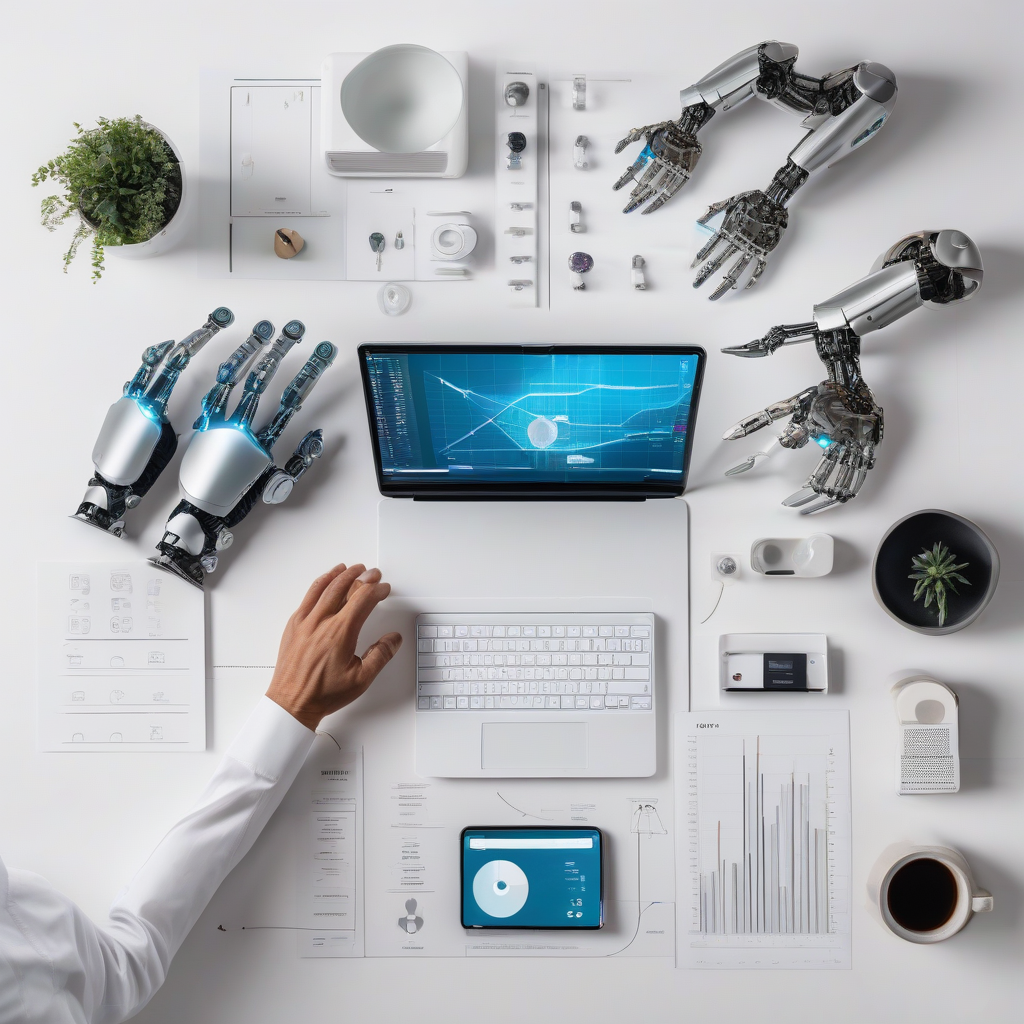
To grasp the full picture of AI vs Human in 2026, it's vital to explore the origins and evolution of AI technology. AI has grown from simple algorithmic processes to complex systems capable of learning and adapting. This transformation has profound implications for comparing AI with human capabilities, as AI is now integral to various sectors.
The Evolution of AI Technology
The journey of AI began decades ago, with significant milestones marking its development. Notable advancements include the creation of neural networks and deep learning algorithms, which have enhanced AI's ability to process data and make predictions. Today, AI plays a pivotal role in industries such as healthcare, finance, and manufacturing, driving innovation and efficiency.
Why AI vs Human Matters
The comparison between AI and human abilities is crucial due to its impact on employment and productivity. AI can perform tasks faster and more accurately, leading to increased efficiency. However, this shift raises concerns about job displacement and the need for ethical considerations in AI applications. Balancing AI's capabilities with human needs is essential for sustainable progress.
Key Areas Where AI Could Surpass Humans by 2026
The potential for AI to surpass human abilities is evident in several sectors. As AI technology advances, it could excel in decision-making and efficiency, significantly impacting industries such as healthcare and manufacturing. Understanding these dynamics is critical for preparing for a tech-driven future.
AI in Healthcare: A Game Changer
AI's role in healthcare is transformative, particularly in diagnostics and treatment. AI-driven diagnostic tools enable faster and more accurate diagnoses, improving patient outcomes. This technological advancement reduces the likelihood of human error, ensuring better healthcare delivery.
AI-Driven Diagnostic Tools
AI-driven diagnostic tools offer faster and more accurate diagnoses, drastically reducing the time needed for disease detection. By analyzing vast amounts of data, AI can identify patterns that might be missed by human doctors, leading to earlier interventions and improved health outcomes.
AI and Automation in Manufacturing
In manufacturing, AI enhances production efficiency by automating routine tasks and reducing human error. Automation streamlines processes, increases productivity, and minimizes costs, making AI an invaluable asset for the manufacturing industry.
The Role of AI in Workforce Productivity
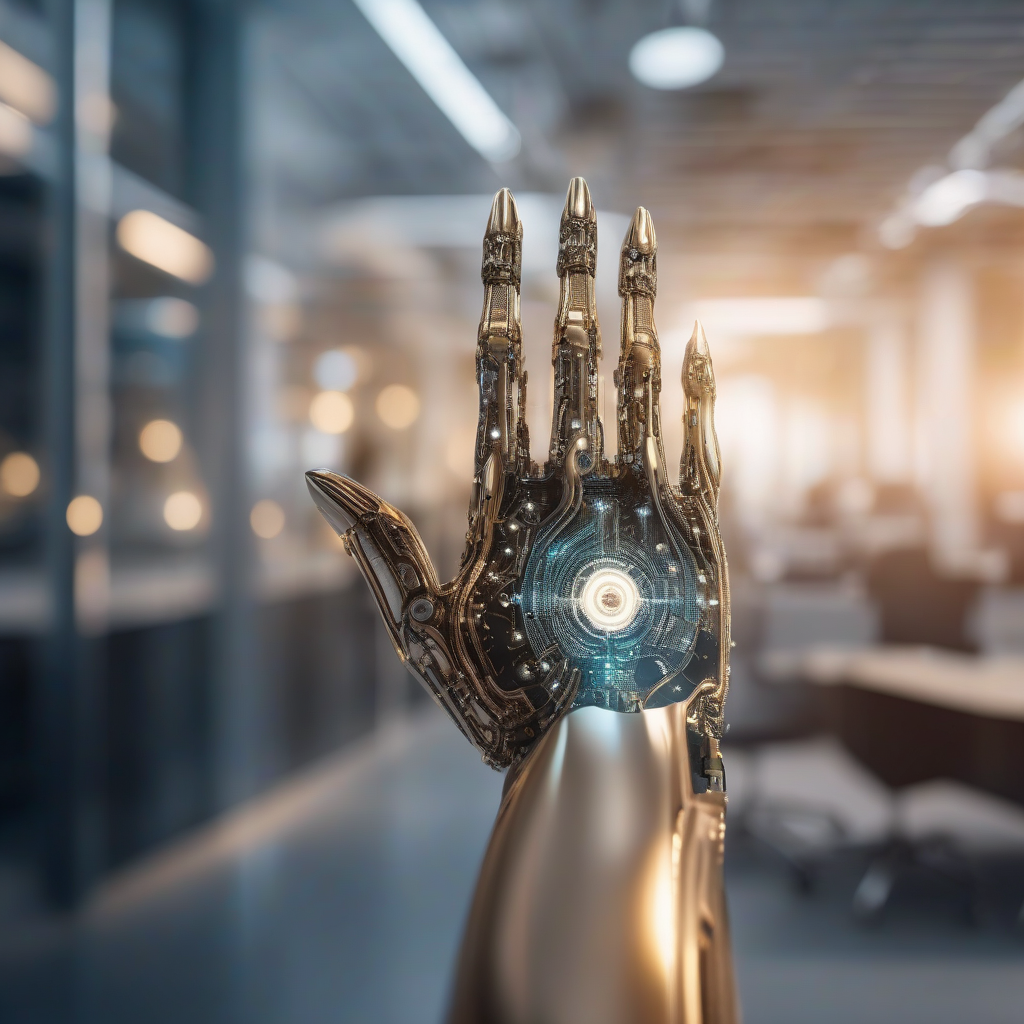
AI significantly improves workplace efficiency through automation and advanced analytics. By streamlining tasks, AI allows employees to focus on more strategic and creative work, enhancing overall productivity. Balancing automation with human creativity is key to maximizing these benefits.
AI-Powered Tools for Workplace Efficiency
AI-powered tools streamline various workplace tasks, from scheduling to data analysis. By leveraging AI for time management, companies can optimize workflows and improve decision-making processes, leading to increased efficiency and profitability.
Human Creativity vs AI Automation
While AI excels in automation, human creativity remains irreplaceable in tasks requiring innovation and emotional intelligence. By integrating AI with creative processes, businesses can harness the synergy between AI and human skills, driving innovation and growth.
Future of Work: Technology Integration and Adaptation
As AI becomes increasingly prevalent, preparing for a future where AI and humans coexist is essential. Strategies for adapting to AI advancements include reskilling and upskilling the workforce and creating AI-ready work environments. These steps ensure that both employees and organizations thrive in the AI-driven landscape.
Reskilling and Upskilling for an AI-Driven Future
Continuous learning is crucial as technology evolves. Reskilling programs and resources help individuals stay abreast of AI advancements and develop new skills. Emphasizing skill development ensures that the workforce remains competitive in an AI-dominated world.
Building AI-Ready Work Environments
Creating AI-ready work environments involves fostering a culture of innovation and ensuring ethical AI use. By prioritizing these aspects, organizations can harness AI's potential while safeguarding against misuse and maintaining public trust.
AI vs Human: Experts Weigh In on the Future
To understand AI's trajectory, gathering expert opinions is invaluable. Insights from leading AI researchers provide forecasts for technological advancements and highlight the potential risks and benefits associated with AI.
Expert Predictions on AI Development
Experts predict that AI will continue to evolve, becoming more integrated into daily life and various industries. However, they emphasize the importance of managing AI development responsibly to avoid unintended consequences and ensure ethical applications.
Balancing Risks and Opportunities
Addressing AI-related concerns involves balancing risks and opportunities. By implementing safeguards and promoting responsible AI use, society can maximize AI's potential while mitigating potential downsides.
Final Thoughts on AI vs Human in 2026
As AI continues to advance, understanding the dynamics of AI vs Human in 2026 is crucial. By preparing for these changes and engaging proactively with AI developments, individuals and organizations can navigate the future successfully. Embracing AI advancements while maintaining human values ensures a harmonious coexistence between technology and humanity.
AI's integration into various sectors promises substantial benefits, from improving healthcare outcomes to enhancing production efficiency. However, these advancements also require careful consideration of ethical implications and workforce adaptation. By focusing on continuous learning and innovation, society can thrive in the AI-powered landscape.
❓ Frequently Asked Questions
What is AI vs Human in 2026?
AI vs Human in 2026 examines how AI technology may surpass human abilities in various fields. It highlights the implications for society and the workforce as AI continues to advance rapidly.
How is AI expected to reshape industries by 2026?
By 2026, AI is expected to enhance efficiency and innovation across industries like healthcare and manufacturing. It will automate repetitive tasks, improve decision-making, and offer new solutions to complex problems.
What are the benefits of AI in the workforce?
AI can increase productivity, reduce human error, and offer cost savings by automating routine tasks. It enables employees to focus on more strategic activities, potentially leading to job satisfaction and innovation.
How much do labor costs change with AI implementation?
Labor costs can decrease with AI implementation, as automation reduces the need for manual labor. This results in lower staff expenses and potentially increases profit margins for businesses.
Which roles might AI take over from humans by 2026?
AI might take over roles involving repetitive tasks, data analysis, and pattern recognition. Jobs in customer service, data entry, and some administrative roles could be impacted significantly.
Is AI replacing humans in the workplace worth it?
AI replacing humans can be worth it for tasks that are dangerous or highly repetitive. It can lead to increased efficiency and cost savings, although it may also require careful management of workforce transitions.
How does AI compare to human performance in decision-making?
AI can surpass human performance in decision-making by analyzing large datasets quickly and without bias. However, humans can provide contextual understanding and ethics, which AI lacks.
What challenges does AI pose to employee management?
AI introduces challenges in employee management, including the need for upskilling, job displacement, and ethical considerations. Organizations must balance technological benefits with workforce impacts.
Can AI reduce restaurant staffing needs?
AI can reduce restaurant staffing needs by automating tasks such as order taking and inventory management. This can lead to lower payroll costs and more efficient operations.


0 تعليقات