

📋 Table of Contents
Choosing the best coffee filters can significantly enhance both the flavor and quality of your brew. Factors to consider include material, size, and environmental impact. This guide offers expert insights to help you make an informed decision on selecting the right filter for your needs, as well as exploring the best coffee machines for home brewers.
Why You'll Love This Guide on the Best Coffee Filters
Using the best coffee filters is essential for a superior coffee experience, transforming an ordinary cup into an exceptional one. With insights from industry experts, this guide is designed to save you time and help you avoid common pitfalls when selecting coffee filters. You'll also discover cost-effective and sustainable options that align with your values and preferences.
Expert Insights
Personal anecdotes from coffee enthusiasts often highlight the profound difference a quality filter can make. For instance, I once switched from a paper to a metal filter and noticed an immediate change in the coffee's taste profile—richer and more robust. Professional baristas also recommend trying different filters to understand how each affects flavor and aroma. Their experiences underline the importance of choosing the right filter to suit your brewing method and personal taste.
What Are Coffee Filters and Why They Matter
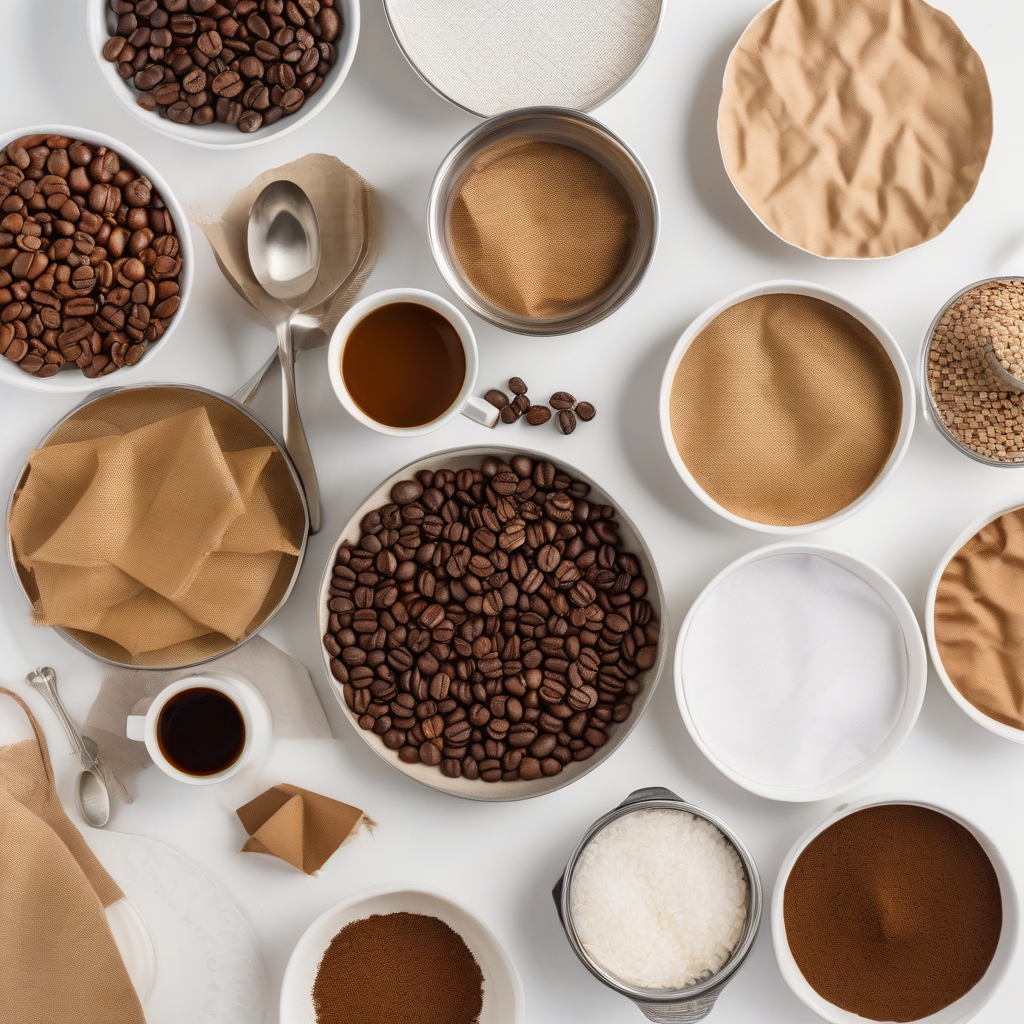
Coffee filters play a crucial role in separating coffee grounds from the liquid, thus shaping the overall taste and aroma of your brew. Different filters can introduce varying flavors and levels of clarity, which makes understanding their types essential for making an informed choice.
Types of Coffee Filters
Coffee filters come in several varieties, each with unique characteristics that can impact the taste and sustainability of your coffee.
Paper Filters
Paper filters are known for their ability to produce a clean-tasting brew by effectively trapping oils and sediments. However, there's a choice between bleached and unbleached filters. Bleached filters undergo a chemical treatment to appear white, while unbleached filters are more natural and environmentally friendly. The type you choose can subtly affect the flavor of your coffee.
Metal Filters
Metal filters, often made from stainless steel, are praised for their durability and reusability. They allow more oils and finer grounds to pass through, resulting in a more robust and full-bodied coffee. However, they may require more maintenance to prevent clogging.
Cloth Filters
Cloth filters are reusable and eco-friendly, offering a unique balance between paper and metal filters. They produce a rich flavor while reducing waste. However, they require diligent cleaning and maintenance to ensure longevity and hygiene.
How to Evaluate Coffee Filter Materials
The material of a coffee filter greatly influences the coffee's final taste and clarity. Considerations for health, sustainability, and overall quality are key when selecting the best filter for your needs.
Paper vs. Metal Filters
When comparing paper and metal filters, each has its pros and cons. Paper filters are convenient and disposable, often leading to a cleaner taste. However, they generate more waste. Metal filters, on the other hand, are eco-friendly and can enhance the coffee's body but may require more effort to clean. The choice between the two ultimately depends on your priorities—whether you favor convenience or sustainability.
Evaluating Biodegradable Options
Biodegradable filters are gaining popularity for their environmental benefits. These filters break down naturally and reduce waste, making them a preferable choice for eco-conscious consumers. Availability in the market has increased, with many brands offering biodegradable options that do not compromise on quality.
Size and Compatibility: Finding the Right Fit
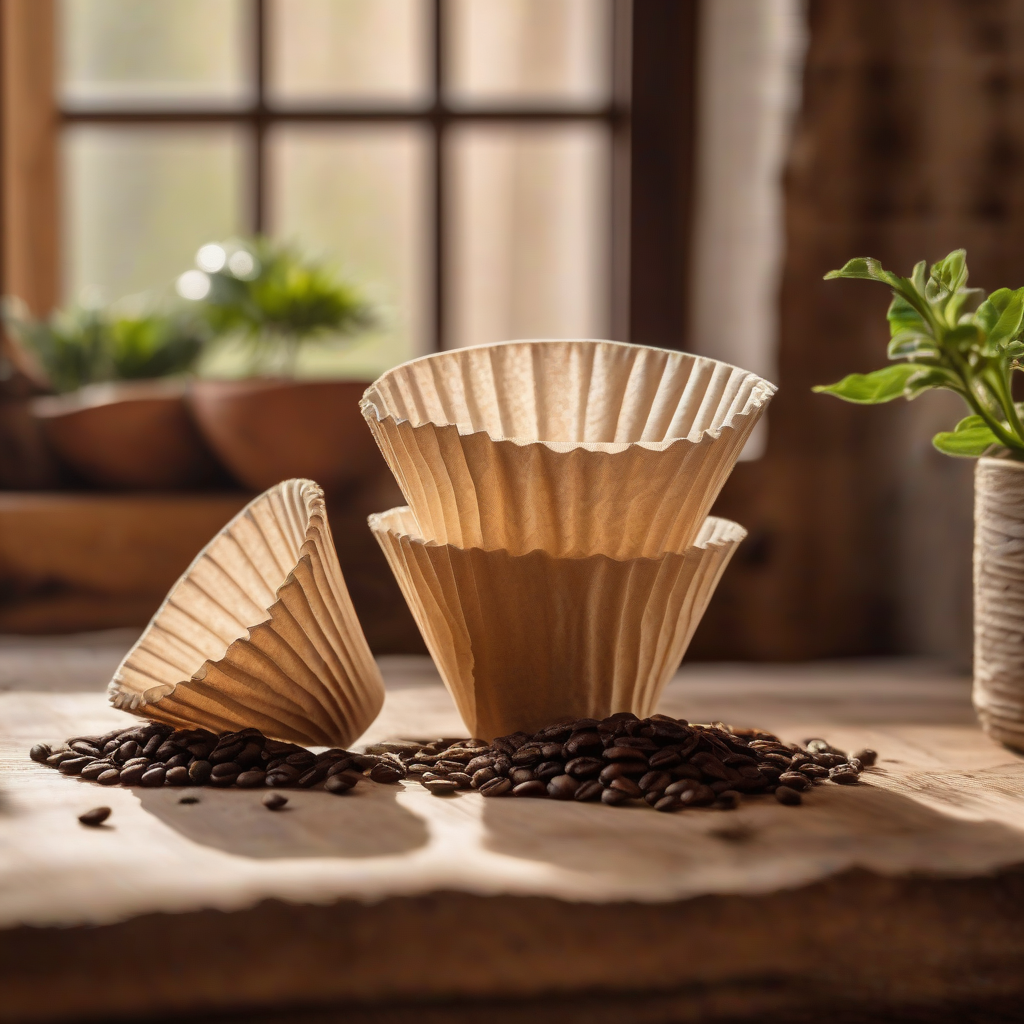
Matching the filter size to your coffee maker is crucial for optimal performance and brew quality. Using the wrong size can lead to overflows or an uneven extraction, affecting the taste and aroma of your coffee.
Standard Sizes Explained
Coffee filter sizes can range from #1 to #6, each suited for different brewing devices. For example, size #1 fits small coffee makers or single-serve brewers, while larger sizes like #4 or #6 are ideal for bigger drip coffee makers. Espresso machines often require specialized filters for a finer grind, whereas drip coffee makers are more accommodating.
Checking Compatibility
Ensuring a proper fit involves checking the manufacturer's guidelines or product specifications. Common sizing mistakes include assuming all filters are universal, which can lead to poor brewing results. Taking the time to match the filter to your machine will prevent these issues and ensure a seamless brewing experience.
Environmental Considerations for Coffee Filters
The impact of your coffee filter choice on the environment is an important factor. Awareness of sustainable and reusable options can help reduce your carbon footprint and contribute to environmental conservation.
Eco-Friendly Filter Options
Eco-friendly filters, such as those made from biodegradable materials, help reduce waste and promote sustainability. Reusable filters, like metal or cloth, are excellent alternatives that not only save money over time but also lessen environmental impact.
Supporting Sustainability
Several brands are now focusing on eco-friendly products, catering to consumers who prioritize sustainability. As a consumer, your choices can influence environmental change by supporting these brands and opting for products that minimize waste.
Comparison Table of Popular Coffee Filters
Alternatives and Innovations in Coffee Filtering
Exploring new technologies and methods can enhance your coffee experience and cater to specialized preferences. These innovations are changing the landscape of coffee filtering, offering more options for the discerning coffee drinker.
Innovative Filtering Methods
Cold brew techniques have become increasingly popular, requiring specific filters that can handle coarse grounds and extended brewing times. Single-serve innovations, such as pods with built-in filters, offer convenience but may involve trade-offs in environmental impact.
Adapting to Trends
Trends like pour-over and French press are gaining traction, impacting filter choices. Pour-over enthusiasts often prefer specific filter types that allow for precise control over extraction, while French press users might opt for metal filters to enhance the body's richness.
Final Thoughts on Choosing the Best Coffee Filters
Choosing the right coffee filter is crucial for achieving a great-tasting brew that suits your preferences and values. It's important to consider material, size, and environmental impact when making your choice. Don't hesitate to experiment with different types to find what works best for you. Encourage others in your coffee community to explore these options and share their experiences.
❓ Frequently Asked Questions
What are the best coffee filters made of?
The best coffee filters are often made from paper, metal, or cloth. Paper filters provide a clean taste, metal allows natural oils through, and cloth offers a balance of both. Choose based on your flavor preference and environmental considerations.
How do you choose the right coffee filter size?
To choose the right coffee filter size, match it to your coffee maker's specifications. Most machines specify the compatible filter size in the manual or on the manufacturer's website. Using the correct size ensures proper brewing and avoids spills.
Are reusable coffee filters better than disposable ones?
Reusable coffee filters are often more sustainable than disposable ones. They reduce waste and can save money over time. However, they require regular cleaning and may slightly alter the coffee's flavor profile compared to paper filters.
How much do quality coffee filters cost?
Quality coffee filters can range from $5 to $30, depending on the material and brand. Paper filters are usually cheaper but require frequent purchasing, while metal or cloth filters are a one-time investment.
What are the benefits of using high-quality coffee filters?
High-quality coffee filters enhance flavor clarity, reduce sediment, and can improve the overall coffee experience. They allow the brew to extract evenly, ensuring a balanced and smooth cup.
Can you make coffee without a filter?
Yes, you can make coffee without a filter using methods like French press or cold brew. These techniques don't require traditional filters but may result in more sediment in the cup.
Why might coffee taste bad with certain filters?
Coffee might taste bad with certain filters due to material affecting flavor. For example, some paper filters can impart a papery taste if not rinsed, and metal filters might let through too much oil, affecting taste.
Is a metal filter more eco-friendly than a paper filter?
A metal filter is generally more eco-friendly because it's reusable and doesn't contribute to paper waste. It’s a sustainable choice for those looking to reduce their environmental footprint.


0 تعليقات