

📋 Table of Contents
Running a successful food and beverage operation in 2026 comes down to one critical factor: getting your labor costs under control about How to control the labor cost in Food and beverage sector. Let's be real — with profit margins tighter than ever and wages climbing steadily upward, mastering your labor expenses isn't just smart business — it's survival. The good news? Smart operators are cutting their labor costs by 15-25% in just three months by rethinking how they schedule, embracing the right tech, and tracking what actually matters.
Why Mastering Labor Cost Control Will Transform Your F&B Business
Here's a sobering statistic: The National Restaurant Association reports that labor typically eats up 30-35% of revenue in food service. And in this post-pandemic landscape, where recovery is still touch-and-go for many establishments, even shaving off 2-3% from your labor costs can mean the difference between profit and loss. Smart operators aren't just cutting costs though — they're getting creative with strategies like digital marketing to boost revenue while keeping expenses in check.
The Rising Challenge of Restaurant Labor Expenses
The labor market's giving F&B operators more headaches than a bad batch of wine. Minimum wage hikes are sweeping across states, and the fight for skilled staff has turned into an all-out war. Here's what keeps me up at night: restaurants that let their labor costs creep above 35% of revenue have an alarming failure rate in their first three years. No wonder operators are scrambling for solutions — from AI-powered scheduling to completely reimagined service models.
What You'll Learn in This Guide
Ready for some good news? The strategies you're about to discover aren't theoretical — they're battle-tested methods that are working right now in 2026's challenging market. We'll break down everything from basic cost calculations (that most operators get wrong) to cutting-edge automation tools that actually deliver on their promises. Best of all? You can start implementing these changes tomorrow.
Understanding F&B Labor Cost Components
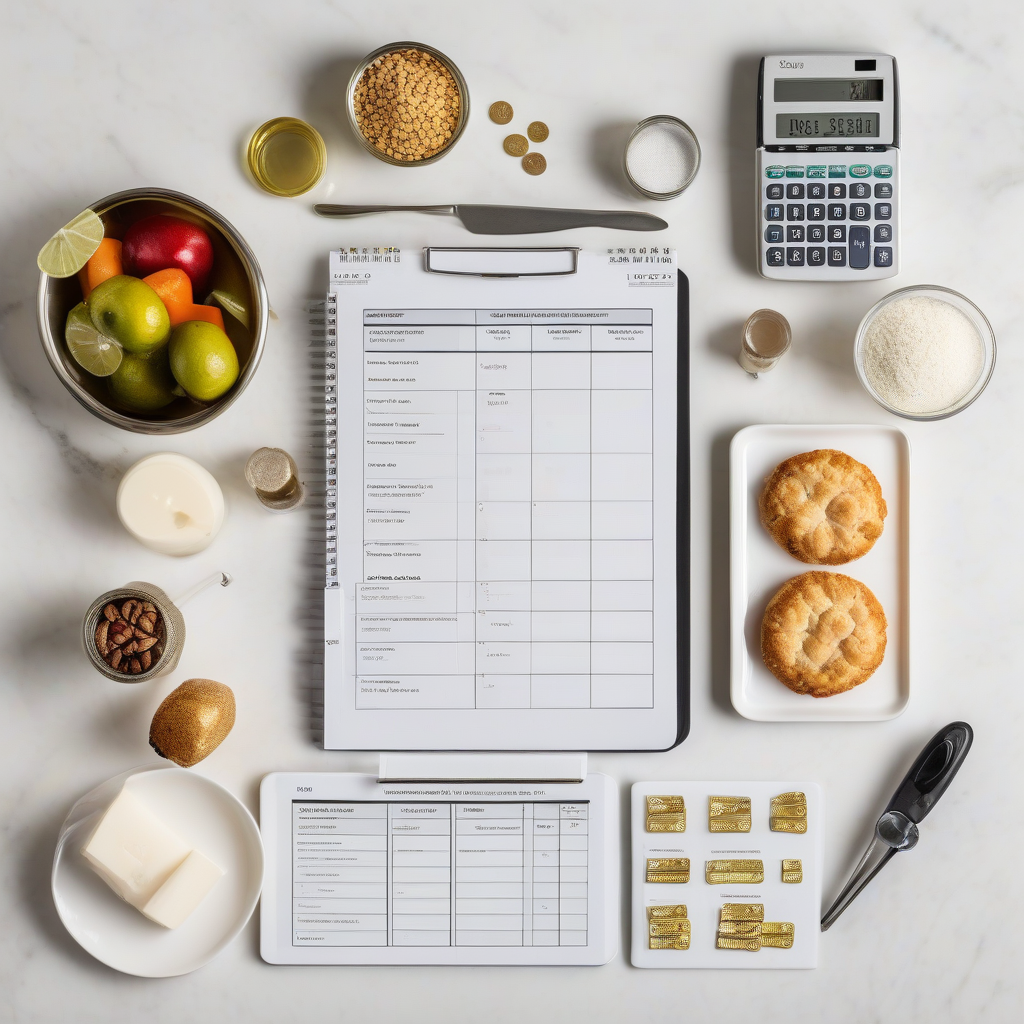
Before you can fix your labor costs, you need to know exactly what you're dealing with. Labor costs split into two camps: direct costs (think wages and overtime) and indirect costs (like training and benefits). The most successful operations — including those running profitable coffee service programs — have cracked the code on managing both.
Direct Labor Expenses
Direct labor is the heavyweight champion of your expense sheet. The Bureau of Labor Statistics shows hourly wages in food service have shot up 12% since 2024 — and they're not done climbing. That's why getting these costs under control isn't just smart — it's essential for survival.
Calculating Base Labor Cost
Want to know your labor cost percentage? Take your total labor expenses, divide by gross sales, and multiply by 100. You're aiming for 25-35% — anything higher and you're in the danger zone. But don't just calculate this once and forget it. Smart operators track this number weekly, if not daily.
Indirect Labor Costs
Here's where things get tricky — those sneaky indirect costs that nobody talks about. Training, management salaries, admin work — they all add up fast. The best operators set aside 5-10% of their labor budget for these expenses, with a heavy focus on training. Why? Because well-trained staff are more efficient and stick around longer — and turnover is a profit killer.
Smart Scheduling Strategies to Optimize Workforce Efficiency
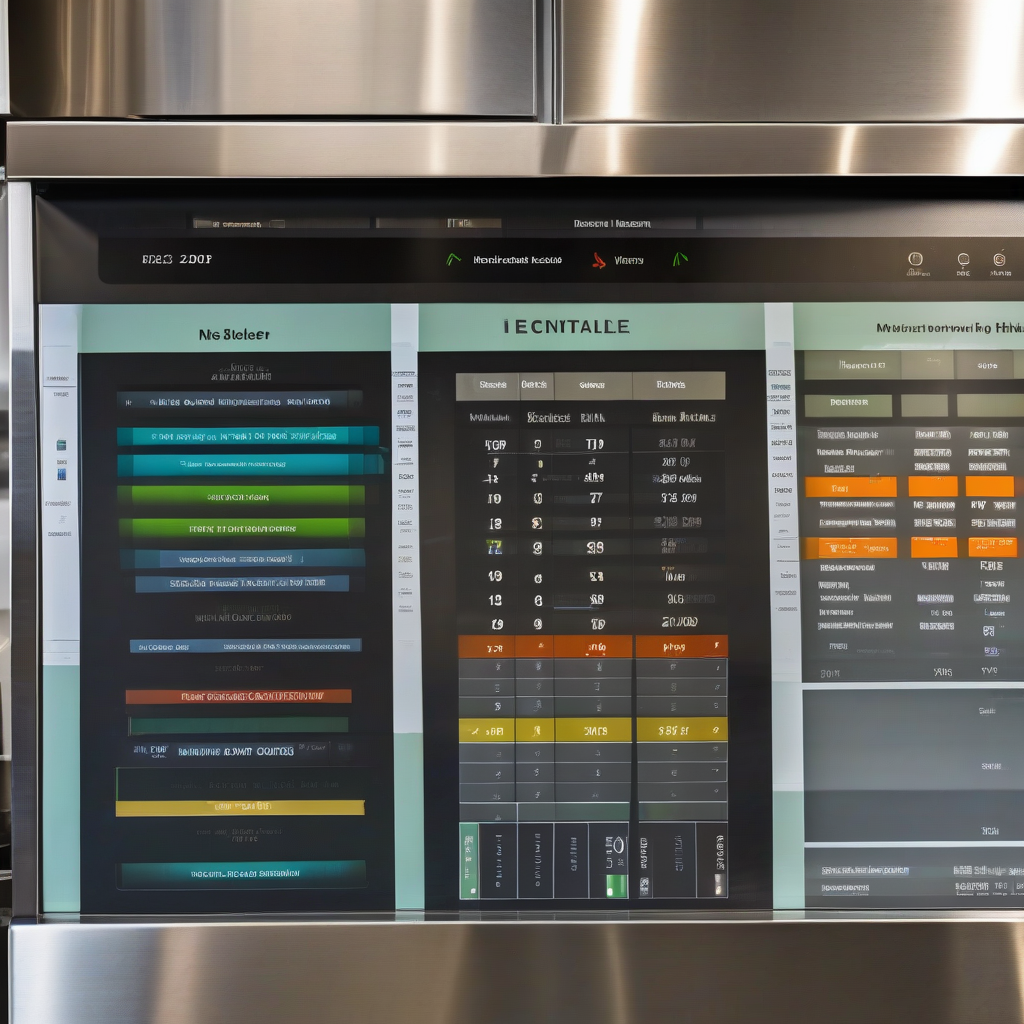
If you're not using data to drive your scheduling decisions, you're leaving money on the table — period. The right scheduling strategy can slash labor costs by 10-15% while actually improving service. And no, that's not a typo.
❓ Frequently Asked Questions
What is the average labor cost percentage in the food and beverage industry?
The average labor cost in the food and beverage industry typically ranges between 30-35% of total revenue, according to the National Restaurant Association. This percentage can vary based on establishment type, location, and service model.
How do you calculate labor costs in a restaurant?
Calculate restaurant labor costs by dividing total labor expenses (wages, benefits, taxes, insurance) by total sales revenue, then multiply by 100. For example, if labor expenses are $10,000 and revenue is $40,000, labor cost percentage is 25%.
What are the most effective ways to reduce staff costs in restaurants?
Key strategies include implementing smart scheduling software, cross-training employees, optimizing shift patterns based on sales data, and using demand forecasting. These methods can help reduce labor costs by 15-25% while maintaining service quality.
How can technology help control labor costs in food service?
Technology helps control labor costs through automated scheduling systems, POS integration for real-time sales tracking, and labor management software. These tools optimize staffing levels, prevent overtime, and provide detailed analytics for better decision-making.
Why are labor costs increasing in the food and beverage sector?
Labor costs are rising due to minimum wage increases, healthcare requirements, competitive job markets, and post-pandemic labor shortages. Additional factors include increased employee turnover rates and higher training expenses.
What are the signs of poor labor cost management in restaurants?
Key indicators include consistently high overtime hours, employee productivity below industry standards, scheduling conflicts, and labor costs exceeding 35% of revenue. Other signs include high turnover rates and frequent understaffing or overstaffing.
Can seasonal businesses effectively control their labor expenses?
Yes, seasonal businesses can control labor expenses through flexible scheduling, hiring temporary workers during peak periods, cross-training staff, and implementing demand-based scheduling. Advanced planning and forecasting are essential for success.


0 تعليقات